Family-Friendly Tips for Dartmoor
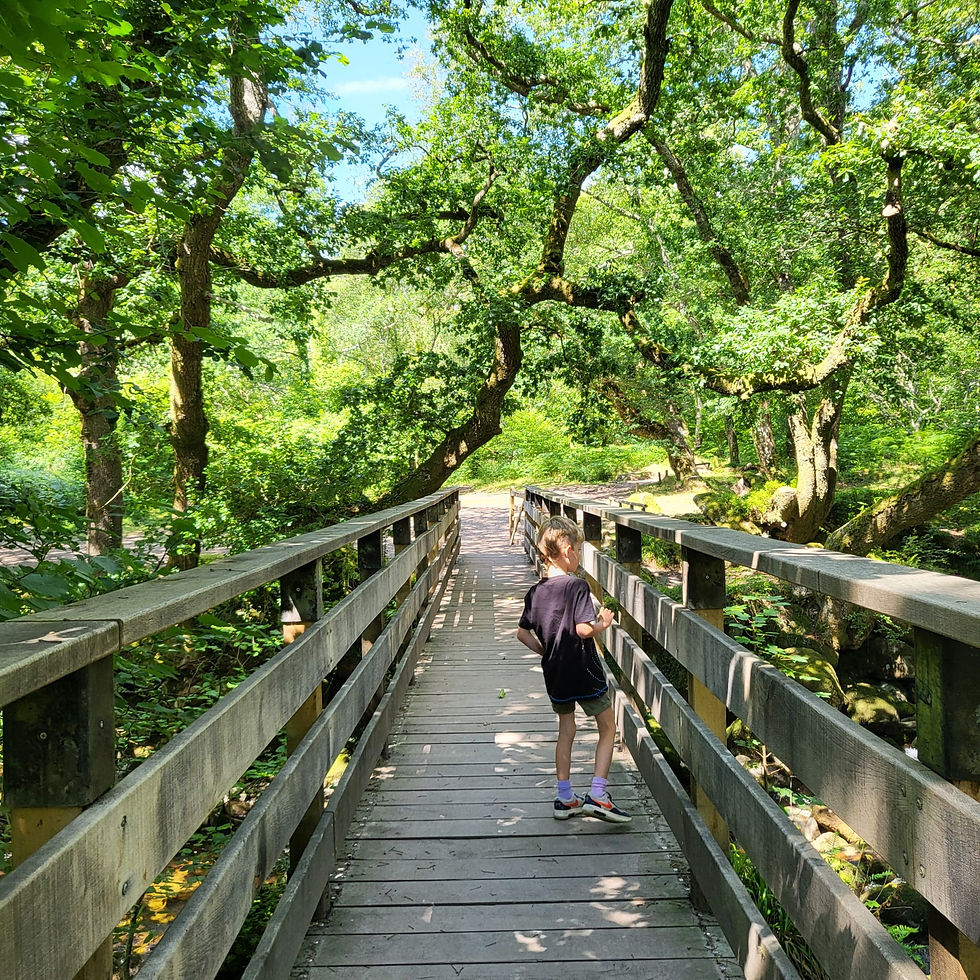
Exploring Dartmoor as a family can be one of the most rewarding ways to experience the moor. Its wide open spaces, gentle rivers, and ancient history provide endless opportunities for adventure, learning, and play. Whether you are introducing little ones to their very first walk or planning a day out for older children, Dartmoor offers something for every age and stage. The key is knowing how to prepare so that everyone enjoys themselves, rain or shine.
Using our Family-Friendly Tips for Dartmoor, start by choosing routes that suit your family’s abilities. Dartmoor Partner specialises in family-friendly walks that balance adventure with accessibility, helping you find routes with clear paths, safe terrain, and plenty of interesting stops along the way. Young children often enjoy walks that include rivers to paddle in, tors to climb, or quarries to explore. Keeping walks shorter and packed with variety helps hold attention and avoids tired legs too early. For older children, adding a challenge like reaching a summit or spotting wildlife can keep them engaged and excited. You can read more about the rules that guide where you can walk in our blog on Rights and Access.
Practical planning makes a huge difference. Bring extra snacks, spare layers, and waterproofs, even if the day looks bright at the start. Weather can change quickly, and little explorers feel the cold sooner than adults. A simple game of spotting ponies, identifying plants, or following old tramways can transform a walk into an adventure. For families with buggies, it is best to stick to the smoother trails, while baby carriers open up more options for exploring uneven ground. Our guide to buggy-friendly walks is a useful starting point.
Families will also find that Dartmoor is full of hidden learning opportunities. Ancient ruins, stone circles, and the stories of how people once lived on the moor can spark curiosity and imagination. Wildlife watching encourages patience and respect for nature, while tree identification or looking for fungi in autumn gives children a deeper sense of connection to the land. Schools often use Dartmoor as an outdoor classroom, but family trips can be just as enriching. Our blog on Wildlife Wonders has more ideas for helping children connect with the creatures they might see.
Above all, remember that time outside on Dartmoor does not have to be about distance covered. Some of the best memories come from picnics in sheltered spots, playing by the river, or simply lying back and watching clouds drift across the sky. Taking things slowly helps children feel part of the landscape rather than rushed through it. With the right preparation and a spirit of adventure, Dartmoor becomes a playground and a classroom rolled into one. For tips on how to care for the moor while you explore, take a look at our blog on Respecting Dartmoor.



Comments