Rights & Access on Dartmoor
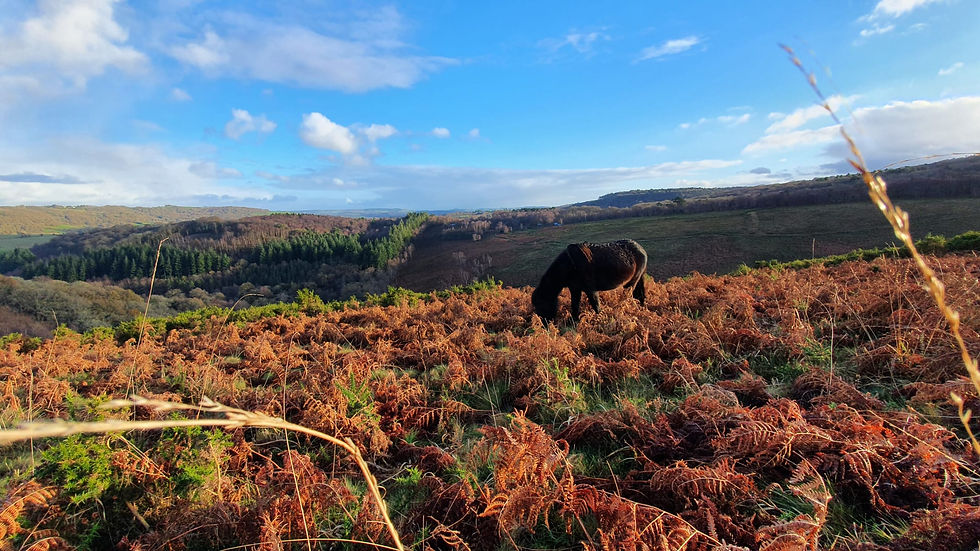
One of the most special things about Dartmoor is the freedom we all have to roam its vast and varied landscapes. Thanks to public rights of way and open access land, families can explore moorland, woods, and valleys with confidence. However, it’s important to understand where you can and cannot go. While our Dartmoor Partner routes all stay on clear, established tracks, there’s always the temptation to wander further, so knowing the rules helps you explore safely and responsibly.
Rights of way include footpaths, bridleways, and byways. Footpaths are for walkers only, bridleways welcome walkers, cyclists, and horse riders, and byways are open to all, including vehicles. Each type of path has its own purpose, and sticking to the right one not only respects the law but also protects habitats from unnecessary damage. In addition to rights of way, large parts of Dartmoor are designated as access land, giving the public the right to walk freely across them. That said, certain restrictions can apply during sensitive times such as bird nesting season or military training exercises. You can view a clear map of open access areas on the Dartmoor National Park website.
Access also comes with responsibility. Erosion is a real issue on Dartmoor, especially in wet weather when paths are more vulnerable to wear. Keeping to clear tracks helps protect fragile soils, habitats, and archaeological sites. Straying into boggy ground or cutting new lines across heather can cause long-lasting damage. Dogs should always be kept under close control, particularly during lambing season or ground-nesting bird season. For those exploring with children, it’s a good opportunity to teach them why these rules matter – that by sticking to paths and respecting signs, they are actively helping to look after the moor. You can find more details on the Dartmoor National Park byelaws, which set out the rules designed to keep the moor safe for everyone and everything that calls it home.
The Dartmoor Preservation Association (DPA) plays a big role in protecting these rights of way and fighting for public access. They help repair paths, lobby for responsible land management, and ensure the public’s voice is heard. By respecting the paths, following local guidance, and understanding our shared rights, we ensure Dartmoor remains a place that families can enjoy freely for generations to come.
For more insights on looking after the moor, see our blog on Respecting Dartmoor. If you are interested in what animals you may encounter, visit Wildlife Wonders. To understand how the landscape changes throughout the year, read Seasons on Dartmoor.


Comments